Introducing the New SQL Server 2016 Availability Groups Load Balancing of Read-Only Replicas
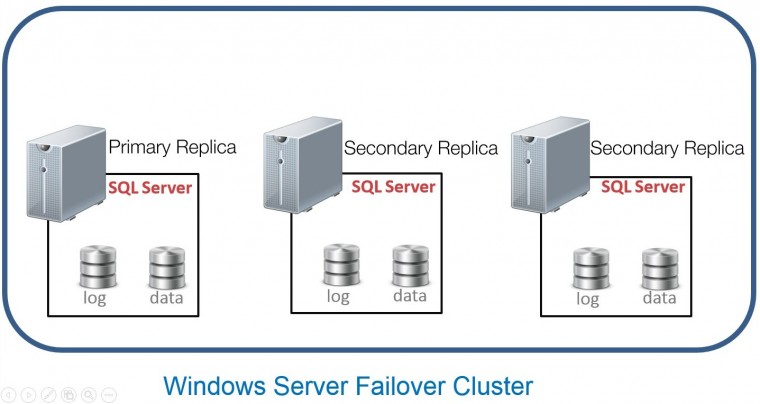
About four years ago, I did my very first webcast on the Availability Groups feature in SQL Server 2012. The premise of the presentation was how we can provide high availability features to existing SQL Server workloads without making changes to the underlying storage. For my demo, I used an existing database mirroring configuration for high […]

Why Database Developers Need To Design For High Availability and Disaster Recovery

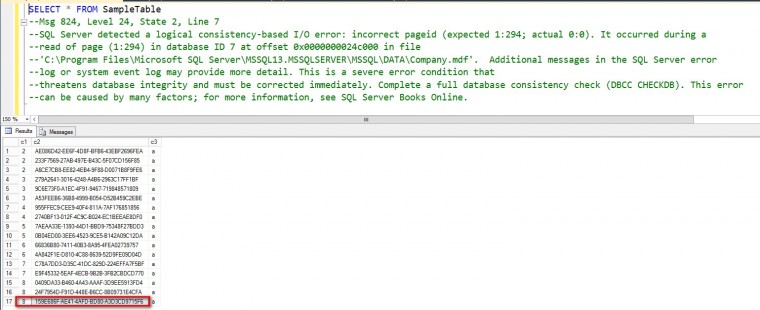
Last week, I wrote about a database corruption case that I had the opportunity to work on. I spent a fair amount of time on the phone with the database developer to understand what the columns are for, what their values represent and the corresponding relationships with other tables. In the process of trying to recover as […]

The Case Against SQL Server VSS- or Virtualization-Based Backups

A recent conversation that we had around the dinner table revolved around fire safety hazards. The last week of November happened to be the National Home Fire Safety Week in Canada and promotes fire safety in homes and residential areas. Home insurance companies would recommend having a fire extinguisher at home placed in the kitchen or […]

When A Log Backup Does Not Truncate Your SQL Server Log Files In An Availability Group

There are only two ways that can truncate your SQL Server log files – a checkpoint process when the database is in simple (or pseudo-simple) recovery model or a log backup when the database is in full or bulk-logged recovery models. In order for log truncation to occur, the virtual log files (VLFs) need to […]

Upgrading to SQL Server 2014: Considerations

As SQL Server 2005 approaches the end of its support next year, customers can start planning for upgrading their databases to SQL Server 2014. In a previous blog post, I talked about how to integrate Microsoft Product Lifecycle and Support Policies into IT Operations which concluded with planning upgrades and migration based on the version […]